How a Reverse Mortgage Works for Homeowners in Goodyear, Arizona
Most people first hear about reverse mortgages secondhand, usually from a commercial or a relative with a strong opinion, and the story never quite lines up. You have equity in a Goodyear home that has appreciated for years, and the question of whether to touch it, and how, is not something you want to decide from a headline. It is a reasonable thing to sit with for a while. This page explains the mechanics in plain terms so the concept is clear before any decision is on the table.

The short answer
A reverse mortgage is a loan secured by your home where you are not required to make monthly principal and interest payments while you live in the property as your primary residence. Interest and fees accrue onto the loan balance instead of being paid down. The balance grows over time rather than shrinking, which is the reverse of a traditional mortgage.
The basic mechanics: a loan that accrues instead of amortizes
A reverse mortgage is a loan secured by your home where you are not required to make monthly principal and interest payments while you live in the property as your primary residence. Interest and fees accrue onto the loan balance instead of being paid down. The balance grows over time rather than shrinking, which is the reverse of a traditional mortgage.
You still own the home. Title stays in your name, and you remain responsible for property taxes, homeowners insurance, any HOA dues, and keeping the property in reasonable condition. Those obligations are not optional, and failing them is one of the few ways the loan can be called due early.
The balance becomes due when the last borrower on the loan permanently leaves the home, whether through a move, a sale, or death. At that point the home is typically sold, the loan is repaid from the proceeds, and anything left over belongs to you or your heirs.
How much equity is available, and why it is not all of it
The amount a homeowner can access is calculated from age, the value of the home, and prevailing interest rates. Older borrowers generally qualify for a larger share of their equity, because the projected life of the loan is shorter and less interest is expected to accrue against the property.
Only a portion of the home's value is available, never the full amount. The gap is deliberate. It leaves room for interest to accumulate over the years without the balance outrunning what the home is likely to be worth when the loan is eventually settled.
Proceeds can generally be structured in more than one way: a lump sum, a line of credit that stays available, regular monthly distributions, or a mix. The structure matters more than most people expect, because an unused line of credit behaves very differently from cash taken all at once.
Who it actually fits
A reverse mortgage tends to fit a homeowner who has substantial equity, intends to stay in the home for the long term, and has a specific reason to convert some of that equity into liquidity without adding a required monthly payment. That reason might be eliminating an existing mortgage payment, funding a renovation, or holding a standby line of credit as a buffer.
It fits poorly for someone who expects to move within a few years. The upfront costs are meaningful, and a short holding period does not give them time to make sense. It also fits poorly for someone who is already struggling to cover taxes and insurance, since those obligations continue and the loan does not relieve them.
In Goodyear specifically, a lot of homeowners are sitting on a decade or more of appreciation in an established neighborhood they have no interest in leaving. That is the profile where the conversation is at least worth having honestly against the alternatives, including a cash-out refinance or a home equity line.
The misconceptions worth clearing up
The most persistent myth is that the bank takes your house. It does not. You hold title throughout, and the lender's interest is a lien, the same kind of lien any mortgage creates. The home is sold to satisfy the debt only after the last borrower has permanently left it.
The second myth is that heirs inherit the debt. Federally insured reverse mortgages are non-recourse loans, meaning repayment is limited to the value of the property. If the balance exceeds what the home sells for, the insurance covers the shortfall, and no other assets of the estate are pursued. If the home is worth more than the balance, the difference goes to the heirs, who may also choose to keep the property by paying off the loan.
The third is that you can no longer leave the home to family. You can. What changes is that the equity has been partially spent during your lifetime, which is a tradeoff to weigh openly with the people it affects rather than a prohibition.
Counseling, costs, and the deliberate slowness of the process
Federally insured reverse mortgages require independent counseling from a HUD-approved agency before an application can proceed. The counselor does not work for the lender. Their job is to confirm you understand the mechanics and have considered alternatives, and the certificate they issue is a required part of the file.
Costs include origination charges, mortgage insurance premiums, title and closing costs, and an appraisal. Most of these can be financed into the loan, which is convenient but means they accrue interest along with everything else. Understanding what is being financed rather than paid is part of understanding the product.
The process is intentionally slower than a standard refinance. That is a feature. A decision that changes how your largest asset is positioned for the rest of your life should not be a fast one.
Questions people actually ask
Do I still own my home with a reverse mortgage?
Will my children inherit the debt?
Can the loan be called due while I am still living in the house?
Is a reverse mortgage better than a cash-out refinance?
Keep learning
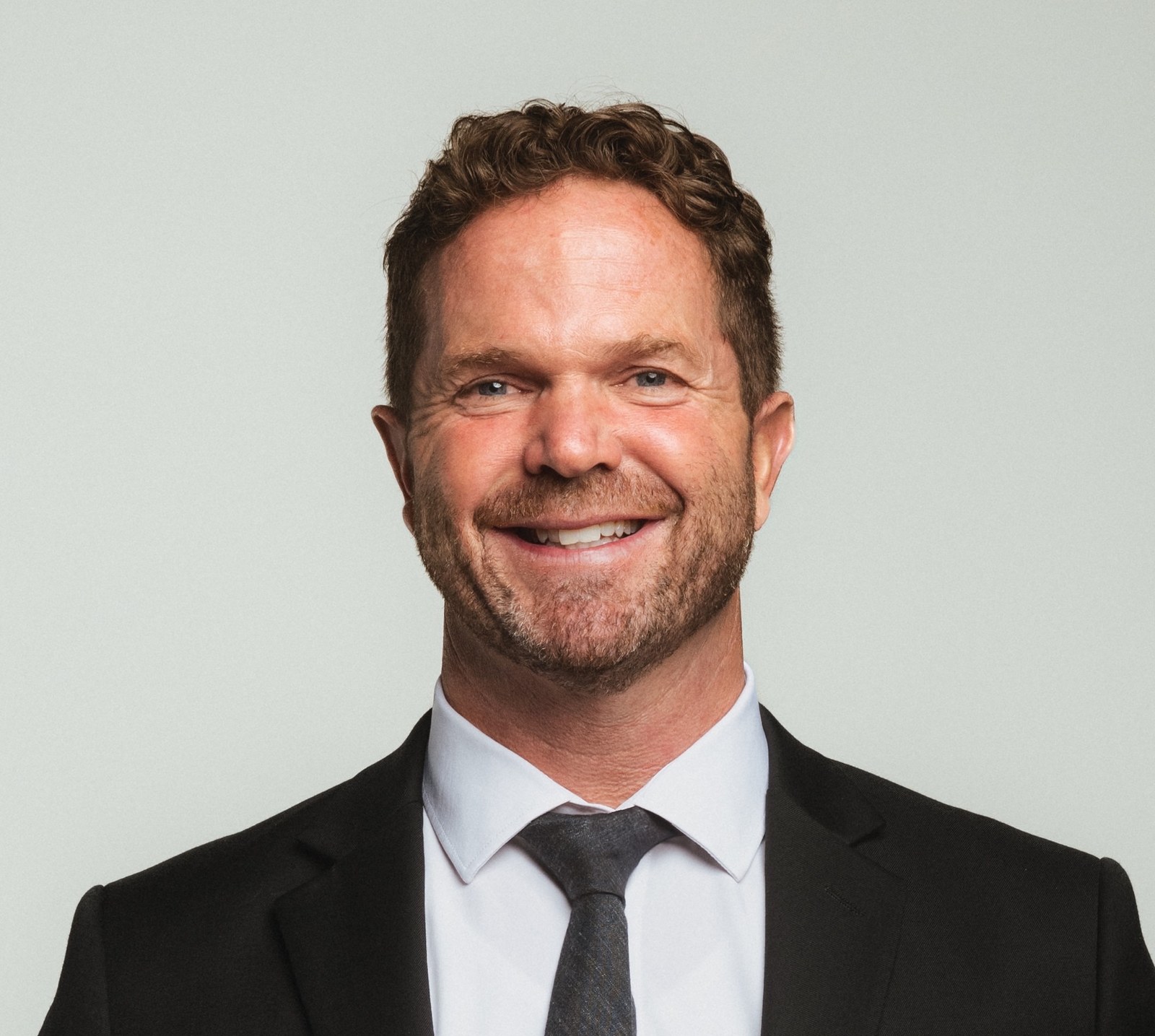
Jake Taylor
Loan Officer · NMLS #162265
Want to think it through out loud?
If you are weighing a reverse mortgage against other ways to use the equity in a Goodyear home, a conversation costs nothing and commits you to nothing. Call 855-CALL-JAKE (855-225-5525) when you want to talk through the tradeoffs with someone who will explain them straight.