
How a Reverse Mortgage for Purchase Works When You Are Buying, Not Staying Put
Most explanations of reverse mortgages assume you are staying in the house you already own, which is not much help if the question you are actually sitting with is whether to move. Maybe the current home has stairs, or acreage, or a yard that stopped being a pleasure a few years ago, and the next chapter looks like something smaller, closer to family, or simply easier. It is a confusing thing to research, because the version of the product built for buying is not the version most articles describe. This page walks through the mechanics of that buying version so the idea stops being vague.

The short answer
A reverse mortgage for purchase is a single transaction that combines buying a new home with taking out a reverse mortgage on that same home. You bring a large chunk of cash to closing, usually from selling the home you are leaving, the reverse mortgage covers the remaining portion of the price, and you own the new home outright in title with that loan recorded against it.
What the purchase version actually is
A reverse mortgage for purchase is a single transaction that combines buying a new home with taking out a reverse mortgage on that same home. You bring a large chunk of cash to closing, usually from selling the home you are leaving, the reverse mortgage covers the remaining portion of the price, and you own the new home outright in title with that loan recorded against it.
The distinguishing feature is the same as any reverse mortgage: no monthly principal-and-interest payment is required while you live in the home as your primary residence. Interest and fees accrue onto the balance instead of being billed to you each month, and the balance grows over time rather than shrinking.
Without this product, a retiree who wanted the same outcome would have to do two separate transactions: buy the home with cash or conventional financing, then refinance into a reverse mortgage afterward. The purchase version collapses that into one closing, one set of costs, and one title transfer.
The cash you bring, and why it is larger than a normal purchase
The share of the purchase price you contribute in cash is substantially larger than what a conventional buyer would put in, and it is driven by your age, not by a lender's preference. The older the youngest borrower, the more of the price the reverse mortgage can cover, because the loan is priced against a shorter expected period of accrual.
That cash generally has to come from qualifying sources: sale proceeds from your prior home, savings, investment accounts, the sale of other assets. It cannot come from another loan taken out to bridge the gap, which is a rule that catches people off guard when they are trying to buy before they sell.
For someone sitting on a paid-off or nearly paid-off house in a market that has appreciated, this is often the part that makes the whole idea work. The equity that has been sitting still in one property becomes the entry cost for the next one, with the reverse mortgage covering the difference so the sale proceeds are not entirely consumed.
What you still owe every month, even with no mortgage payment
No required monthly principal-and-interest payment is not the same as no obligations. You remain responsible for property taxes, homeowners insurance, any HOA dues, and keeping the home in reasonable repair. Falling behind on those can put the loan into default the same way missed payments would on a traditional mortgage.
The home also has to stay your primary residence. Extended absences, a move to long-term care, or converting the property to a rental can trigger the loan becoming due, which is worth thinking through honestly if the move you are contemplating is partly about proximity to care or family.
Because of this, the underwriting looks at whether you have the ongoing capacity to carry taxes and insurance comfortably. Borrowers with real reserves and steady retirement income tend to move through this cleanly. It is a reasonable question to ask yourself before you ask it of a lender.
How the balance and the equity behave over time
The loan balance grows because unpaid interest and any ongoing fees are added to it. Whether your equity in the home grows or shrinks depends on the race between that growing balance and whatever the property does in value. In a flat market, equity erodes; in a rising one, it may hold or even grow.
These loans are structured as non-recourse. When the loan comes due, typically when the last borrower permanently leaves the home, the home is sold and the proceeds repay the balance. If the balance exceeds what the home sells for, the shortfall is not passed to you or your heirs. If the home is worth more, the remaining equity belongs to your estate.
Heirs also have the option to keep the home by paying off the balance, often through a refinance of their own. Families who talk this through in advance tend to handle it far better than families who encounter it for the first time during probate.
How to think about whether it fits your situation
The clearest case is a retiree with substantial equity who wants a different home and wants to preserve cash reserves rather than spend nearly all of the sale proceeds on the next purchase. The tradeoff is transparent: you keep more liquidity now and pass on a smaller housing asset later.
The less clear case is someone whose main goal is leaving the home free and clear to children, or someone who thinks the next move may not be the last one. Closing costs on any purchase are real, and a short holding period does not give the structure time to earn its keep.
There is no rule that says you have to decide quickly. Running the numbers both ways, buying outright with sale proceeds versus using this structure, is a worthwhile exercise even if you end up choosing the simpler path. You can compare general product categories on our loan options page while you think it through.
Questions people actually ask
Do I have to sell my current home first?
Is there an age requirement?
Can the home be a condo, townhome, or manufactured home?
What happens if I want to move again later?
Keep learning
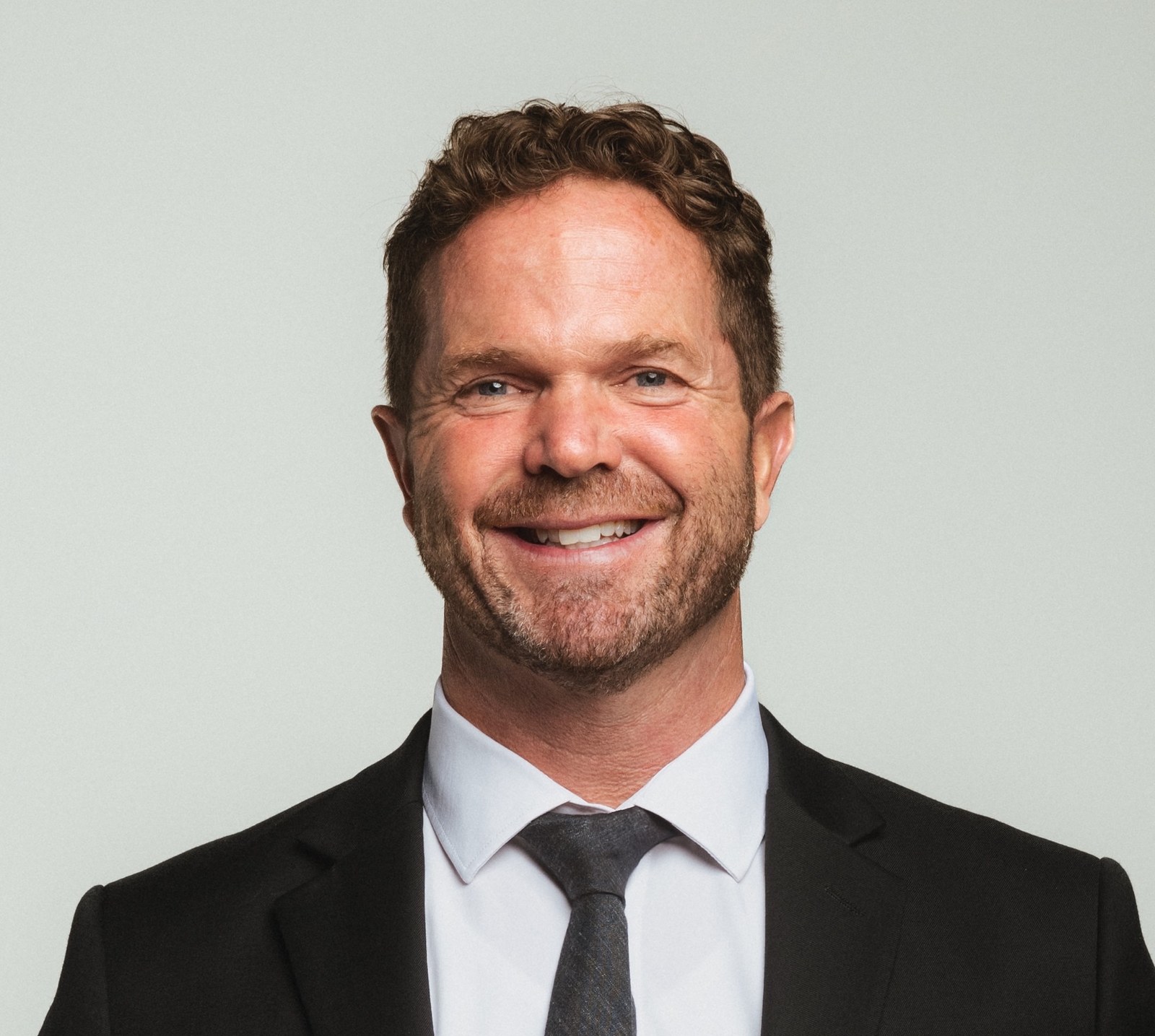
Jake Taylor
Loan Officer · NMLS #162265

Want to talk it through without deciding anything
If you are weighing a move and trying to understand how your equity could carry into the next home, a conversation costs nothing and commits you to nothing. Call 855-CALL-JAKE (855-225-5525) and ask the questions you have not been able to answer on your own.