
How a Reverse Mortgage Works for Homeowners in Glendale, Arizona
Most people who start reading about reverse mortgages are not shopping. They are trying to make sense of something they half understand, usually because a parent brought it up, or because they are looking at a paid-off house in Glendale and wondering whether all that equity is supposed to just sit there. The confusion is fair. Reverse mortgages have been explained badly for decades, first by aggressive marketing and then by the backlash to it. What follows is just the mechanics, laid out slowly, so you can decide for yourself whether the concept is even relevant to your situation.

The short answer
A reverse mortgage is a loan secured by your home where you are not required to make monthly principal and interest payments while you live there. Interest and fees are added to the balance over time instead of being paid down, so the loan balance grows and your equity shrinks. It is still a mortgage, with a lien on the property, just running in the opposite direction from what you are used to.
What a reverse mortgage actually is
A reverse mortgage is a loan secured by your home where you are not required to make monthly principal and interest payments while you live there. Interest and fees are added to the balance over time instead of being paid down, so the loan balance grows and your equity shrinks. It is still a mortgage, with a lien on the property, just running in the opposite direction from what you are used to.
The most common version in Arizona is the federally insured Home Equity Conversion Mortgage, usually shortened to HECM. It is available to homeowners age 62 and older who occupy the home as their primary residence. The amount available depends on the youngest borrower's age, the home's appraised value, and prevailing interest rates.
You can take proceeds as a lump sum, a line of credit, monthly draws, or a combination. The line of credit version is the one financial planners talk about most, because the unused portion generally grows over time rather than sitting static.
What you still owe and still have to do
The phrase "no monthly payment" causes more trouble than any other part of this product. You still owe property taxes, homeowners insurance, any HOA dues, and ongoing maintenance. Those obligations do not go away, and failing them is the most common path to a reverse mortgage going wrong.
You also have to keep the home as your primary residence. If you move out permanently, sell, or pass away, the loan becomes due. In practice that usually means the home is sold and the loan is repaid from the proceeds, with anything left over going to you or your heirs.
HECMs are non-recourse loans. If the balance ends up higher than the home is worth at repayment, neither you nor your heirs are personally on the hook for the difference. The FHA insurance behind the program covers that gap, which is part of what the mortgage insurance premium pays for.
Who it tends to fit, and who it does not
Reverse mortgages tend to make the most sense for homeowners who have substantial equity, intend to stay in the home for a long time, and want to convert some of that equity into cash flow or a standby credit line without selling. A Glendale homeowner who bought decades ago and has watched values climb is often sitting on exactly that profile.
They fit poorly for people planning to move within a few years, because the upfront costs are meaningful and get spread over a short period. They also fit poorly for anyone already struggling to cover taxes and insurance, since a reverse mortgage does not solve that and can make the consequences of missing them more severe.
The other honest consideration is inheritance. If leaving the house free and clear to your children is a stated priority, a growing loan balance works directly against that goal. That is not a reason to rule it out, but it is a conversation to have out loud rather than assume.
Common misconceptions worth clearing up
The bank does not take your house. You remain on title, the same as with any mortgage. The lender holds a lien, not ownership, and you can sell at any time and keep whatever equity remains after payoff.
Heirs are not stuck with a bill. When the loan comes due, heirs generally have the option to sell the home, refinance it into a traditional mortgage, or pay the balance and keep the property. Because of the non-recourse protection, they are not required to cover a shortfall out of their own assets.
And a reverse mortgage is not a last-resort product by definition. It started with that reputation, but current HECM rules include mandatory independent counseling and a financial assessment of your ability to keep up with taxes and insurance. Plenty of people use it strategically, not desperately.
How this compares to other ways of using equity
A reverse mortgage is one of several ways to access home equity, and it is worth understanding the alternatives before deciding it is the right one. A cash-out refinance replaces your existing mortgage with a larger one and gives you the difference, with required monthly payments and typically lower costs than a HECM. A home equity line of credit sits behind your first mortgage and works more like a credit card secured by the house.
The trade is essentially cash flow versus equity. Traditional options preserve more equity but demand monthly payments. A reverse mortgage frees up cash flow but consumes equity over time.
Which one fits depends on your income, your timeline in the home, and what you want the money to do. If you are still working, have documentable income, and are comfortable with a payment, the traditional side of the loan options is usually the shorter path. If the goal is specifically to remove a payment obligation in retirement, the reverse structure is doing something the others cannot.
Questions people actually ask
Do I need to own my Glendale home free and clear to get a reverse mortgage?
Is the money I receive from a reverse mortgage taxable income?
What is the counseling requirement?
Can I change my mind after closing?
Keep learning
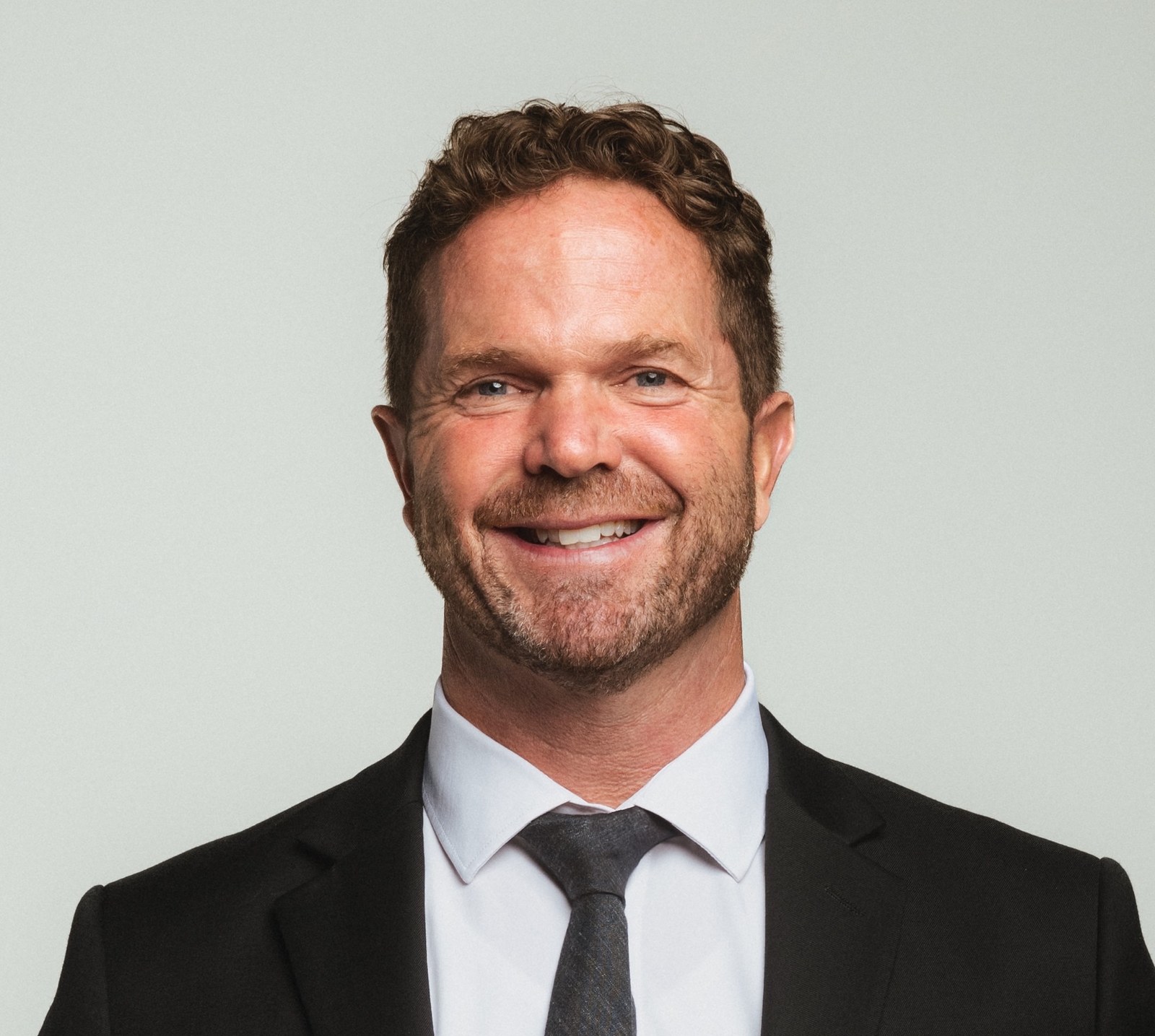
Jake Taylor
Loan Officer · NMLS #162265

Want to think this through with someone?
If you are weighing a reverse mortgage against a cash-out refinance or a line of credit, it helps to run the numbers on all of them before deciding. Jake Taylor Home Loans works with Arizona homeowners on exactly these equity questions, and the first conversation is just a conversation. Call 855-CALL-JAKE (855-225-5525) whenever you are ready.