
How a Reverse Mortgage Works for Arizona Homeowners
Most people run into the idea of a reverse mortgage sideways, through a commercial, a neighbor, or a conversation with an aging parent, and come away with a vague sense that it is either a lifeline or a trap. That uncertainty is reasonable. The product is genuinely different from the mortgage you already know, and almost nobody explains the mechanics before they start explaining the benefits. So this page does the mechanics first. What the loan actually is, what happens to the balance over time, what happens to the house when the last borrower leaves it, and which of the scary stories are true.

The short answer
A reverse mortgage is a loan secured by your home that requires no monthly principal-and-interest payment while you live there as your primary residence. Interest and fees are added to the balance instead of being paid down. So the loan balance grows over time and your equity shrinks, which is the exact opposite of a traditional mortgage.
The basic mechanics: a loan that grows instead of shrinks
A reverse mortgage is a loan secured by your home that requires no monthly principal-and-interest payment while you live there as your primary residence. Interest and fees are added to the balance instead of being paid down. So the loan balance grows over time and your equity shrinks, which is the exact opposite of a traditional mortgage.
The most common version is the Home Equity Conversion Mortgage, a program insured by the Federal Housing Administration. Eligibility generally starts at age 62 for the youngest borrower, and the amount available depends on age, the value of the home, and prevailing rates. Older borrowers and more valuable homes generally unlock more.
You can typically take the proceeds as a lump sum, a line of credit, monthly draws, or a combination. Any existing mortgage on the property has to be paid off first out of those proceeds, which is why some borrowers use a reverse mortgage primarily to eliminate an existing required payment rather than to pull cash out.
What you still owe every year
The phrase "no monthly payment" causes more trouble than any other part of this product. You still have obligations, and failing them is the main way people lose a home under a reverse mortgage.
You must keep property taxes current, keep homeowners insurance in force, pay HOA dues where they apply, and maintain the property in reasonable condition. You must also continue to occupy the home as your primary residence. An extended stay in a care facility, generally beyond twelve months, can trigger the loan becoming due.
At closing, the lender evaluates whether you can reasonably sustain those charges. If the review suggests risk, a portion of the proceeds may be set aside specifically to cover taxes and insurance, which reduces what is available to you.
The counseling requirement, and why it exists
Before a Home Equity Conversion Mortgage application can move forward, you are required to complete a session with a HUD-approved independent counselor. This is not a formality a lender can waive. No counseling certificate, no loan.
The counselor does not work for the lender and does not earn anything from whether you proceed. Their job is to walk through how the balance grows, what the ongoing obligations are, what alternatives exist (selling, downsizing, a traditional home equity or refinance option), and what the decision means for your heirs.
Many people find this session is where the product finally becomes concrete. It is worth bringing an adult child or another trusted person along if the decision affects them, because it will.
What your heirs actually inherit
Your heirs inherit the home, and the loan attached to it. The reverse mortgage becomes due when the last surviving borrower dies, sells, or permanently moves out. At that point the heirs generally choose among keeping the home by paying off the balance, selling the home and keeping whatever proceeds remain above the balance, or signing the property over to the lender.
Home Equity Conversion Mortgages are non-recourse loans. That means if the balance ends up higher than the home is worth, neither the estate nor the heirs owe the difference. The FHA insurance absorbs it. Heirs who want to keep the home can typically satisfy the debt at the lesser of the balance or a set percentage of appraised value.
What heirs do not get is unlimited time. There are deadlines for responding to the lender and for completing a sale, with extensions available in some cases. Families who know the loan exists ahead of time handle this far better than families who discover it during probate.
The misconceptions worth clearing up
The bank does not take your house. Title stays in your name, exactly as it does with a conventional mortgage. The lender holds a lien, nothing more.
You are not barred from leaving the home to your children. You are leaving them a home with debt on it, which is a real consideration, but it is a choice they get to evaluate rather than a door closed in advance. Likewise, being underwater is not a personal liability, because of the non-recourse protection described above.
The part that is true and often understated: the costs are real. Origination charges, mortgage insurance premiums, and compounding interest add up, and they add up fastest in the early years relative to how long you might stay. A reverse mortgage tends to work best for someone who plans to remain in the home for many years, and works poorly for someone likely to move soon. That single question, how long you realistically stay, drives more of this decision than anything else.
Questions people actually ask
Do I have to own my home free and clear to qualify?
Can my spouse stay in the home if they are not on the loan?
Is the money I receive taxable income?
Is a reverse mortgage the only way to use home equity in retirement?
This guide, city by city
The mechanics above are statewide. Each city page adds what is specific to that market.
Keep learning
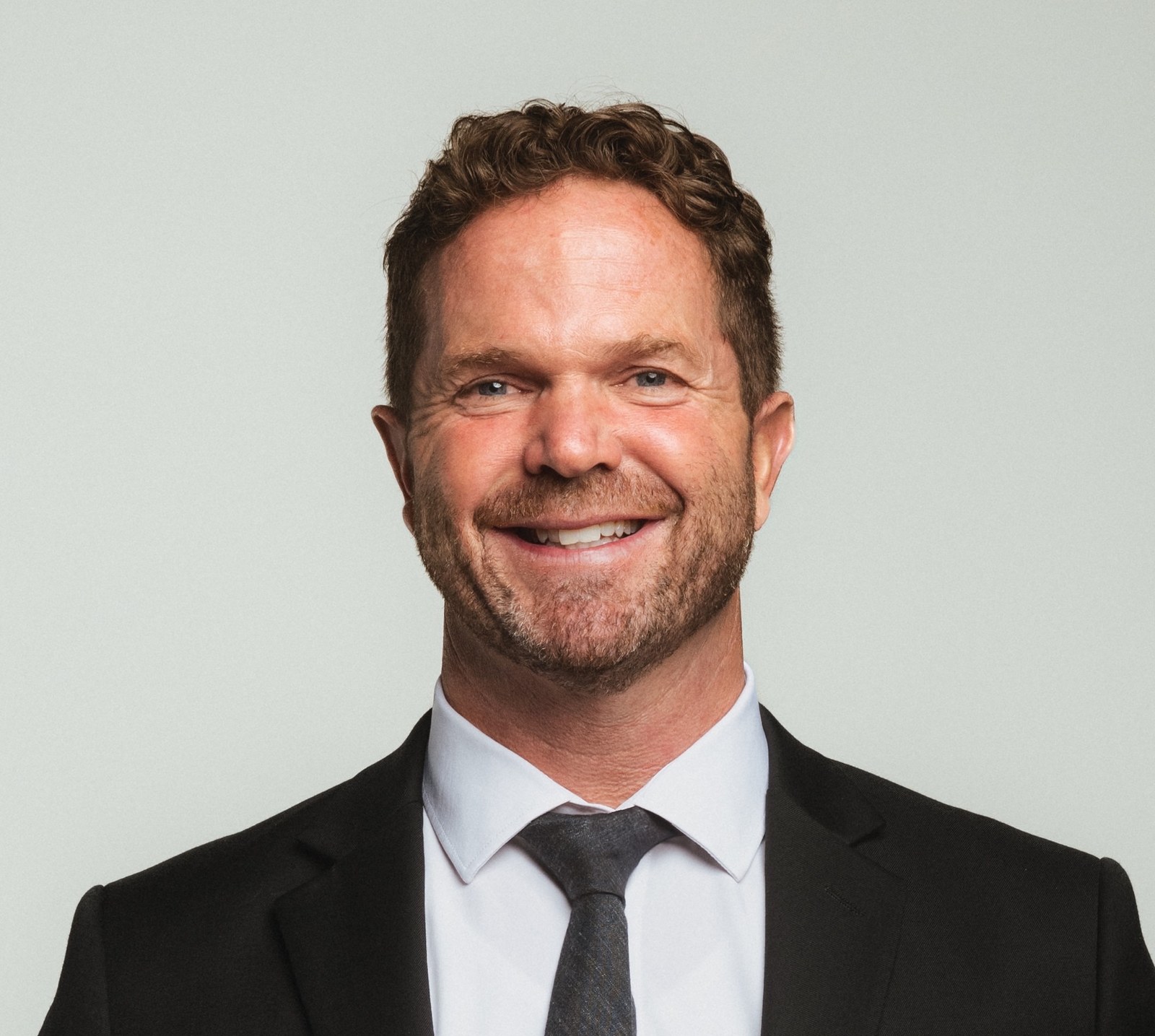
Jake Taylor
Loan Officer · NMLS #162265

Thinking it through for yourself or a parent
If you are weighing this against a cash-out refinance or simply trying to understand which questions matter most, a conversation costs nothing. Jake Taylor Home Loans works with Arizona homeowners on equity decisions, including the ones where the answer turns out to be "not yet." Call 855-CALL-JAKE (855-225-5525).
Loan options we work with·Where we lend·Start a conversation·More from the feed