
Getting a Reverse Mortgage When You Still Owe on the Home
Somewhere along the way, most people picked up the idea that a reverse mortgage is only for homeowners who own the house free and clear. So if you still carry a balance, the question tends to stall before it ever gets asked out loud. That assumption is worth examining, because the mechanics work differently than the reputation suggests, and the balance you still owe plays a specific, predictable role rather than acting as a disqualifier.

The short answer
A reverse mortgage does not require the home to be paid off. What it requires is enough equity in the home that the new loan can retire the existing mortgage and still function as a reverse mortgage afterward. Those are two very different standards, and confusing them has kept a lot of people from ever running the numbers.
The misconception: a paid-off home is not the requirement
A reverse mortgage does not require the home to be paid off. What it requires is enough equity in the home that the new loan can retire the existing mortgage and still function as a reverse mortgage afterward. Those are two very different standards, and confusing them has kept a lot of people from ever running the numbers.
The confusion is understandable. Most of the reverse mortgage stories people hear involve homeowners with no mortgage left, because those are the situations where the largest amount of money becomes available. That makes them memorable, not typical.
In practice, plenty of homeowners who still carry a balance are candidates. The question is never simply whether a loan exists on the property. It is whether the equity position is deep enough to absorb the payoff and leave something meaningful on the other side.
Why the existing loan gets paid off first
A reverse mortgage must sit in first lien position. That means it has to be the senior claim on the property, ahead of anything else recorded against it. If an existing mortgage is already sitting in that spot, it cannot simply stay there alongside the new loan.
So the payoff is not a preference or a lender policy choice. It is structural. At closing, proceeds from the reverse mortgage are applied to retire the existing mortgage in full, and the reverse mortgage takes its place as the only lien of record.
This is also the point where the ongoing monthly principal and interest obligation on that old loan goes away. Property taxes, homeowners insurance, and upkeep remain your responsibility, and staying current on them is a condition of keeping the reverse mortgage in good standing.
How the payoff determines what is left
Start with the amount a reverse mortgage can make available against the property. That figure is driven by the age of the youngest borrower, the value of the home, and prevailing interest rates. Older borrowers and more valuable homes generally support a larger amount; higher rates generally support a smaller one.
From that amount, the existing mortgage balance comes off the top. Closing costs come off as well. What remains, and only what remains, is available to you as a line of credit, as installments, as a lump sum, or as a combination, depending on how the loan is structured.
This is why two homeowners with the same house and the same age can end up in very different places. One with a small remaining balance may walk away with substantial access to funds. One with a large balance may find the payoff consumes nearly everything, leaving eliminating the monthly payment as the main benefit rather than cash in hand.
When the payoff exceeds what the loan can cover
Sometimes the existing balance is larger than what the reverse mortgage can make available. In that case, the loan does not automatically fail, but it cannot close unless the gap is closed with funds brought to the table from another source.
Some homeowners do exactly that, using savings or proceeds from another asset to bridge the difference, because eliminating a required monthly mortgage payment is worth more to them than holding those funds. Others decide the math does not justify it and look at different options entirely.
Either answer is legitimate. The point of running the numbers early is to know which situation you are actually in before you invest time and money in an application.
Questions worth working through before you decide
The clearest way to evaluate this is to separate two goals that often get blended together. One is removing a required monthly mortgage payment from your budget. The other is accessing equity as usable funds. A reverse mortgage can deliver both, one, or in tight cases barely either.
It is also worth thinking past yourself. Because interest accrues and is added to the balance over time rather than being paid down monthly, the equity remaining in the home generally shrinks as the years pass. If leaving the home to heirs matters to you, that trade deserves a direct conversation rather than a footnote.
Counseling with an independent HUD-approved counselor is a required step for federally insured reverse mortgages, and it exists precisely so these questions get asked by someone who is not originating the loan.
Questions people actually ask
Do I have to own my home outright to get a reverse mortgage?
What happens to my current monthly mortgage payment?
What if my mortgage balance is bigger than what the reverse mortgage provides?
Does a second mortgage or HELOC have to be paid off too?
Keep learning
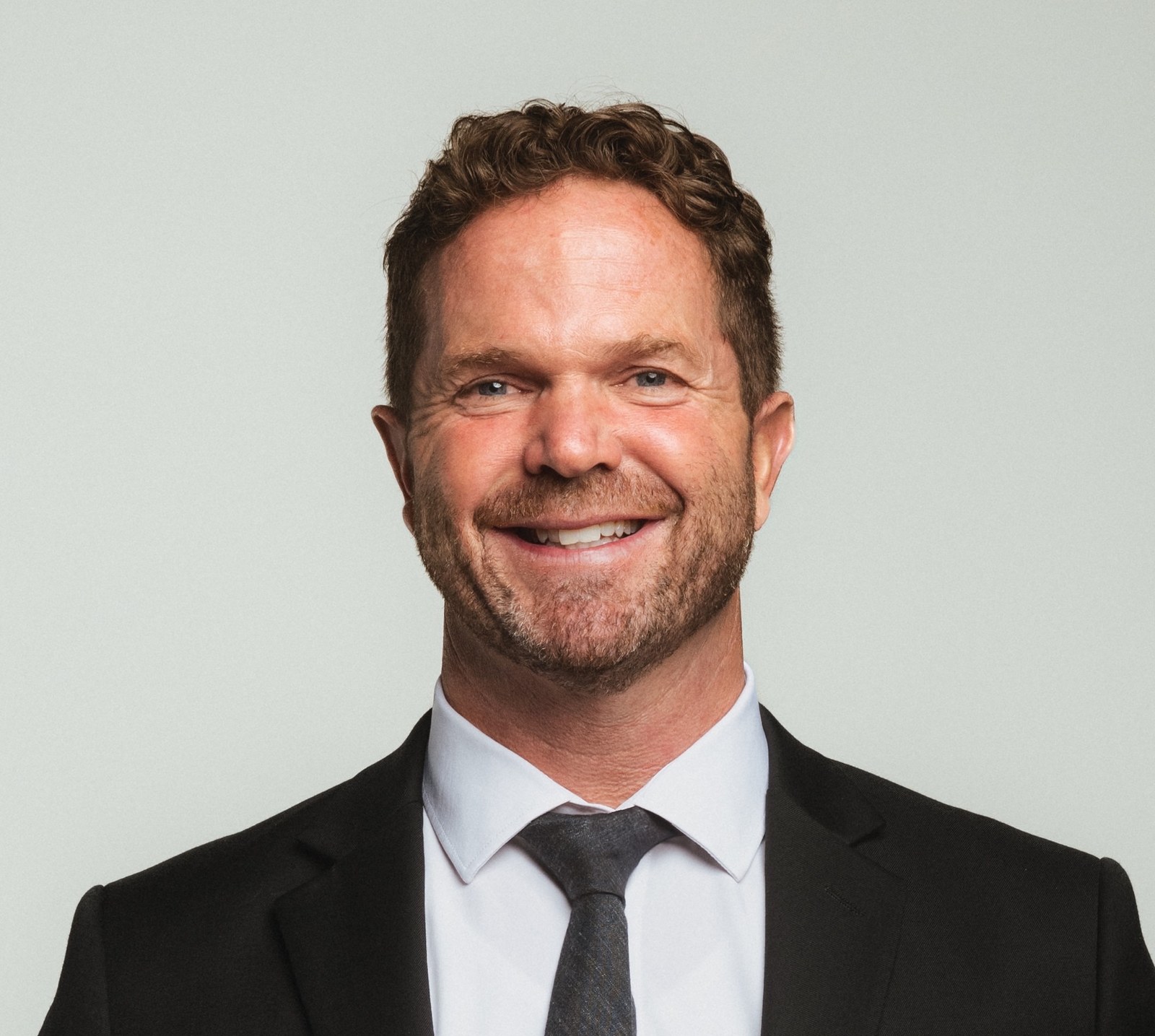
Jake Taylor
Loan Officer · NMLS #162265

Run your own numbers before you decide anything
If you are trying to work out whether the payoff would leave enough behind to be worth it, that is a conversation worth having with real figures in front of you. Jake Taylor Home Loans can walk through the mechanics for your situation in Arizona. Call 855-CALL-JAKE (855-225-5525) when you want to talk it through.